Need epoxy garage floors in Troy?
Describe your floor, share your location, and request an estimate. Windkitchen Floor Coating connects homeowners with independent providers who assess and perform the work.
No obligation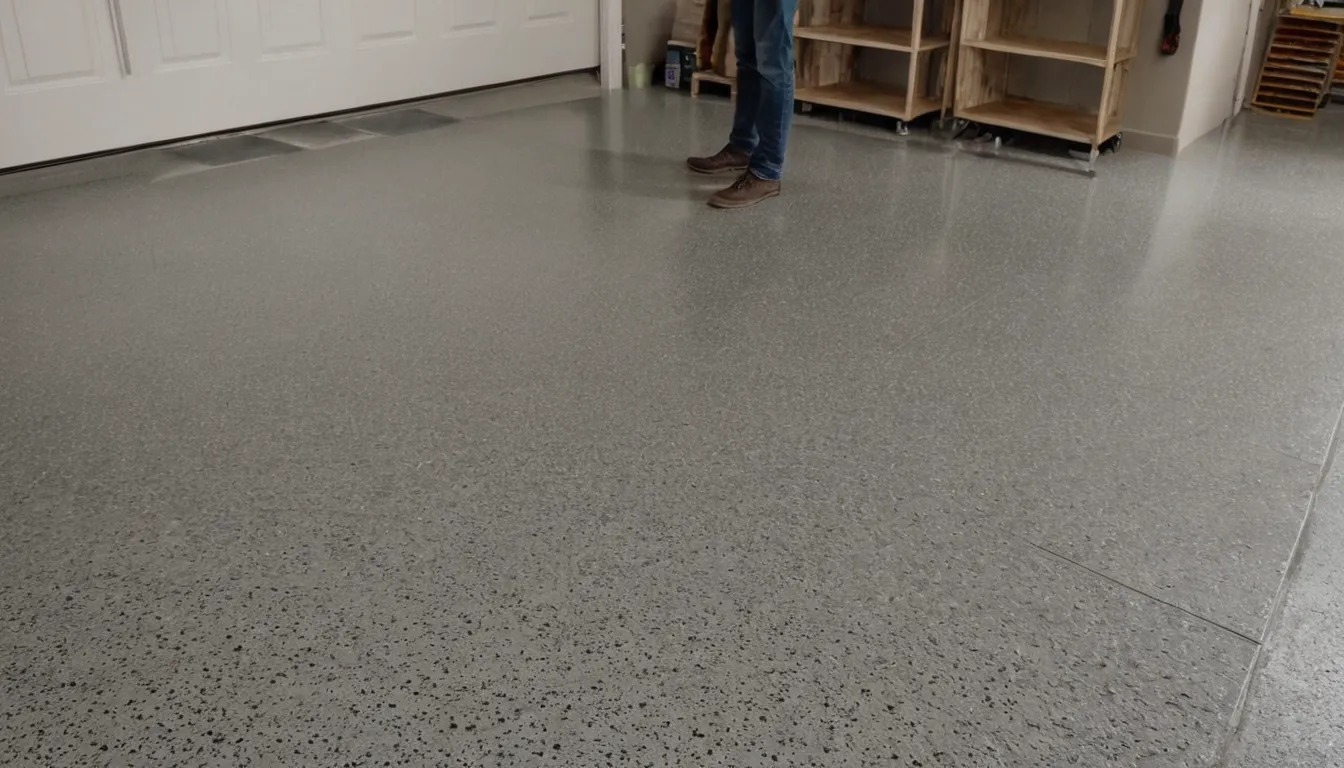
Request an estimate for your garage
A dusty slab, lifting paint, or rough patch near the garage door can change what an epoxy project involves. These clues deserve a closer look before you choose colors or set a spending limit. Windkitchen Floor Coating connects homeowners in Troy with independent local epoxy garage floor providers. A local provider evaluates the surface, explains suitable options, and prices the proposed work. Photos help start that conversation, but they cannot confirm what is happening beneath a coating.
Keep your planning simple: record where wear appears, note any dampness, and ask what each estimate includes. Surface preparation, repairs, coating layers, and access can affect the total. Compare matching scopes instead of choosing by the first price you see. Windkitchen Floor Coating is a referral service. The provider handles evaluation, installation or repair, scheduling, and project terms, including any written warranty it offers.
Start with the condition of the garage floor. If flakes are lifting, avoid pulling at surrounding edges or covering the area with another product. Photograph the spot and note whether it changes after rain, snowmelt, or parking a wet vehicle. Keep loose material away from walking paths. Request an assessment before buying a coating kit; the visible patch may be only part of the preparation needed.
Powder on shoes, small pits, tire marks, and fading do not all point to the same cause. Neither does a dark patch prove moisture is moving through the slab. Tell the provider what you noticed and when. In the Troy area, winter road residue and humid summer weather are useful details to mention. A provider can decide which checks are appropriate before recommending epoxy garage floors.
Take one wide photo from the garage entrance, then closer photos of cracks, stains, and worn edges. Add an object for scale without blocking the damage. Write down any previous paint, sealers, repairs, or cleaning products you know about. If stormwater entered the garage, record the date and apparent entry point. Keep those notes with estimates so each provider receives the same starting information.
Epoxy needs a suitably prepared concrete surface to bond. A smooth-looking slab may still have oil, old sealer, or weak material that affects adhesion. Ask whether the scope includes mechanical preparation, edge work, dust collection, and removal of existing finishes. A smaller quote may leave out one of these steps. The useful question is what condition the provider expects to create before any coating goes down.
A coating is not a substitute for evaluating movement, uneven concrete, or recurring water entry. Ask which cracks can be prepared and filled, which joints remain visible, and what could show through later. If a provider recommends addressing drainage or another underlying issue first, request a separate written explanation. That lets you budget for the cause and the finish without treating them as one unclear charge.
A solid-color epoxy finish offers a simple appearance. Decorative flakes can add visual texture and help make small marks less noticeable. A heavier flake application may involve more material and additional steps. Ask how each proposed system suits parking, storage, or a garage workbench. Custom floor finishes should earn their place in the budget through appearance or practical value, rather than an option list alone.
A sample board shows color, not the full installation. Request the product names, planned layers, and whether a primer or protective topcoat is included. Epoxy can change color with sunlight exposure, so mention how long the garage door stays open and where windows cast light. Ask how the proposed topcoat addresses that exposure. Also discuss traction when the floor is wet; added texture changes both feel and cleaning.
Put measured floor area beside preparation, crack work, coating layers, and disposal. Check whether stairs, vertical edges, or the strip beyond the garage door are included. Ask how unexpected conditions are priced and whether extra work needs your written approval. Keep unrelated projects, such as hardwood flooring installation inside the house, on separate scopes. An epoxy garage estimate is easier to judge when it describes one clearly defined job.
A typical project moves from inspection and preparation to agreed repairs, coating application, and curing. The exact sequence depends on the selected system and slab condition. Ask when the provider expects to confirm the floor is suitable and what would pause the work. Cold concrete and high humidity can affect product requirements. Discuss conditions inside the garage, rather than assuming a warm afternoon makes the slab ready.
Agree on who moves cabinets, shelving, appliances, and stored items. Tell the provider about heavy equipment or anything attached to the floor. Arrange another parking space and keep a usable route into the house. Ask about access, ventilation, nearby belongings, and keeping pets away from the work area. These details can affect the scope, especially when a garage has limited storage or serves as the main household entrance.
Walking, moving storage back, and parking a vehicle may have different waiting periods. Request instructions for the actual products used and conditions during installation. Do not judge readiness by touch or appearance alone. Ask when mats, shelving, and vehicle tires can contact the surface. If weather or curing conditions change the schedule, get an updated plan from the provider before loading the garage again.
Follow the provider's cleaning guidance and product instructions. Remove grit, clean spills promptly, and use suitable cleaners. Avoid assuming a harsh degreaser or abrasive tool is safe for the finish. Keep installation records, product details, and any written warranty together. If a patch later lifts or changes appearance, photograph it before trying a repair. Useful records give the provider a clearer basis for discussing the next step.
Share your approximate garage size, photos, current finish, and planned use with Windkitchen Floor Coating. Include known dampness and any deadline you are working toward. Providers in our network evaluate projects and offer their own scopes and terms. Request an estimate first. Request a callback to check provider availability if you prefer to discuss your request by phone.
Discuss visible wear, existing finishes, and known moisture before a provider proposes preparation work.
Ask for written details covering surface preparation, edge treatment, existing coating removal, and agreed crack work.
Compare colors, decorative flakes, and texture against garage use, cleaning needs, and your planned budget.
Request clear guidance for clearing the garage, returning vehicles, cleaning, and keeping useful installation records.
These typical U.S. planning ranges vary by floor condition, area, materials, and local labor. Some items overlap or are included in a complete system. Ask a provider for a written quote before using these figures to set your budget.
| Item | Typical U.S. range | Notes |
|---|---|---|
| Installed epoxy garage floor | $4–$12 per square foot | Preparation needs and system layers affect pricing. |
| Complete 400-square-foot garage project | $1,600–$4,800 | Illustrative total; substantial slab repairs may add costs. |
| Existing coating removal | $1–$3 per square foot | May already be included in preparation. |
| Minor crack preparation and filling | $100–$500 per project | Extent and repair method matter; structural work is separate. |
| Decorative flake upgrade | $1–$3 per square foot | Coverage and system design affect the added price. |
| Protective topcoat | $1–$3 per square foot | Often included in the full system; check before adding. |
Photograph worn areas and note dampness, past coatings, approximate dimensions, and how you use the garage.
Request an estimate through Windkitchen Floor Coating to seek a connection with a local provider.
Discuss preparation, repairs, coating layers, exclusions, and payment terms directly with the provider.
Confirm clearing responsibilities, installation plans, and written return-to-use instructions before arranging the project with your chosen provider.
Windkitchen Floor Coating makes referrals; the independent provider evaluates your floor, proposes the work, and manages your project.
Photos and floor notes help you describe changes without guessing at their cause.
Written preparation and finish details make differences between provider estimates easier to understand clearly.
Consider garage use and cleaning needs alongside appearance when deciding which finish options deserve your budget.
Describe your floor, share your location, and request an estimate. Windkitchen Floor Coating connects homeowners with independent providers who assess and perform the work.
No obligationSometimes, but the existing finish needs assessment for adhesion and compatibility. Loose or unsuitable material may need removal. Ask the provider to explain the preparation method and include removal costs in the written estimate when that work is needed.
The waiting period depends on the coating system, slab temperature, and curing conditions. Ask your provider for written vehicle access instructions. Walking access may come earlier, but a surface that feels dry is not necessarily ready for tires.
No. Windkitchen Floor Coating is a referral service connecting homeowners with independent local providers. The provider assesses your garage, supplies the estimate, and handles any agreed work under its own terms. Discuss scheduling, payment, and warranty details directly.
Describe your floor, share your location, and request an estimate. Windkitchen Floor Coating connects homeowners with independent providers who assess and perform the work.
No obligation